
Reduced Emission Charcoal Briquettes Performance
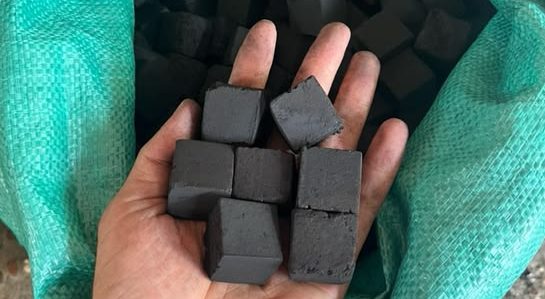
Reduced emission charcoal briquettes offer a modern alternative to traditional fuel, providing cleaner cooking and heating options. These briquettes minimize smoke and airborne pollutants while delivering consistent heat, making them suitable for domestic kitchens, restaurants, and small-scale industries.
Adopting low-emission charcoal contributes to healthier indoor environments, reduces cleaning needs, and supports long-term environmental sustainability. Collaborating with a clean fuel coconut charcoal briquette supplier ensures access to reliable, high-quality products that maintain performance across various applications.
Why Reduced Emission Briquettes Are Important
This type of fuel prioritizes health, efficiency, and environmental responsibility.
Advantages at a Glance
-
Limits harmful fumes and odors in indoor and outdoor settings
-
Burns evenly, ensuring consistent cooking temperatures
-
Generates minimal ash, reducing waste management challenges
These attributes make reduced emission briquettes ideal for modern kitchens and eco-conscious culinary operations.
Innovative Production Practices
High-quality reduced emission briquettes rely on precise manufacturing methods. Each step, from selecting raw coconut shells to final compression, impacts performance, burn consistency, and emission levels.
Raw Material Strategy
-
Selecting fully matured coconut shells for optimal combustion
-
Cleaning and sorting raw materials to eliminate impurities
-
Controlling moisture levels to stabilize ignition and burning
Briquette Formation
-
Carbonizing at regulated temperatures to reduce emission output
-
Compressing uniformly to maintain predictable heat release
-
Inspecting each batch for consistent density and quality
Working with a clean fuel coconut charcoal briquette supplier guarantees adherence to these rigorous standards.
User-Centric Operational Benefits
These briquettes improve performance and efficiency for end users.
Domestic Kitchen Advantages
-
Healthier cooking due to reduced smoke and odor
-
Less frequent cleaning because of lower ash levels
-
Consistent heat output simplifies meal preparation
Commercial Application Benefits
-
Streamlined food production with predictable burn times
-
Supports larger cooking setups without frequent fuel replacement
-
Enhances customer satisfaction by providing steady cooking performance
Logistics and Supply Assurance
Maintaining steady access to reduced emission charcoal is essential for uninterrupted operations.
Supplier Selection Tips
-
Check for suppliers with consistent production and quality verification
-
Ensure transparency in batch testing and emission monitoring
-
Evaluate delivery capabilities to maintain on-time fuel supply
Partnering with a clean fuel coconut charcoal briquette supplier secures both reliability and performance.
Staying Updated on Industry Trends
Being informed about market developments strengthens purchasing decisions.
Resources for Buyers
Industry networks and platforms provide:
-
Data on low-emission manufacturing techniques
-
Regulatory guidelines for clean fuel certification
-
Market insights to compare suppliers and optimize procurement
Accessing this information helps buyers select responsible suppliers and manage operational efficiency effectively.
Environmental and Health Contributions
Reduced emission charcoal supports sustainable cooking practices and better health outcomes.
Key Benefits
-
Reduces indoor and outdoor air pollutants
-
Minimizes waste with low ash content
-
Promotes renewable energy use through responsible coconut shell sourcing
Using these briquettes encourages cleaner cooking, safer indoor air, and environmentally conscious energy practices.
Conclusion
Reduced emission charcoal briquettes provide a modern, cleaner, and efficient fuel solution for households, commercial kitchens, and industrial setups. With low smoke, minimal ash, and consistent heat, they enhance operational efficiency and user safety.
Collaborating with a clean fuel coconut charcoal briquette supplier ensures quality, consistent supply, and sustainability. Leveraging industry resources such as sewcazual.com helps buyers make informed procurement decisions, maintain operational efficiency, and adopt environmentally responsible cooking methods.
