
Jomblang Cave Educational Tour Learning Geology Through Nature
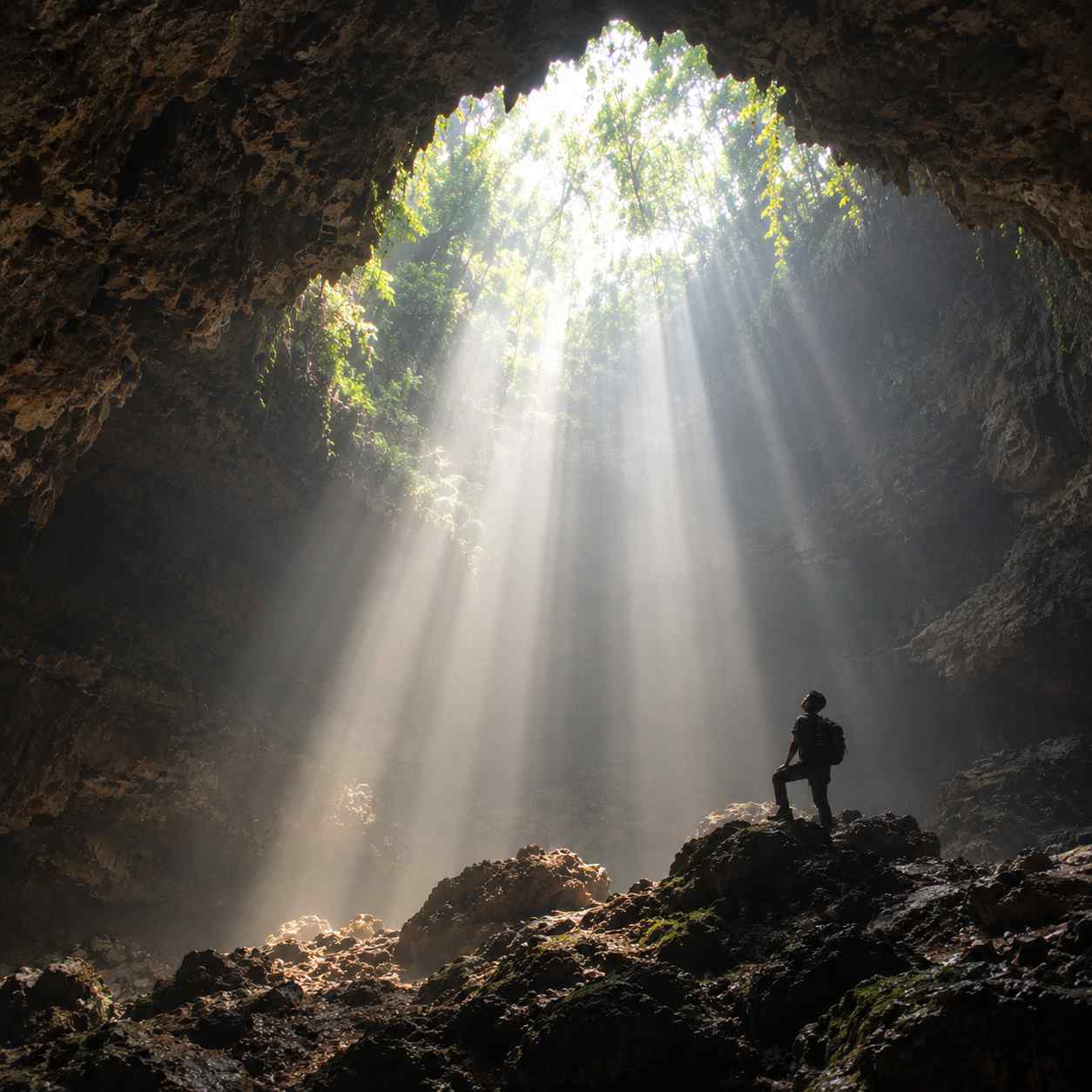
Jomblang Cave educational tourism offers a different learning experience for students, university students, and nature lovers. This destination is not only a place for adventure but also a natural laboratory for understanding karst geological phenomena.
Located in Gunungkidul, Jomblang Cave is part of a karst area with high scientific value. Visitors can directly observe natural processes that have formed over thousands of years.
Getting to Know the Gunungkidul Karst Area
Gunungkidul is one of the most important karst areas in Indonesia. This region was formed from limestone that underwent dissolution over millions of years.
The dissolution process caused by rainwater creates various surface forms, such as karst hills, caves, underground rivers, and dolines. Jomblang Cave is one example of a vertical cave formed through this process.
For students, seeing these formations directly is much more interesting than only reading theory in books. Real experiences help strengthen their understanding of geology and the environment.
How Was Jomblang Cave Formed?
Jomblang Cave was formed through the dissolution of limestone by rainwater containing carbon dioxide. This process occurs very slowly over thousands to millions of years.
Over time, the limestone continues to dissolve and forms large cavities. Eventually, a vertical cave with a depth of around 60 meters is created.
Inside the cave, visitors can see rock walls, underground tunnels, and unique rock formations. All of these are evidence of geological processes that took a very long time to form.
Heavenly Light as a Learning Medium
The Heavenly Light phenomenon is not only beautiful but also interesting to study. Sunlight enters through the large opening above the cave and creates a light beam inside.
This phenomenon shows the relationship between the sun’s position, the cave structure, and atmospheric conditions. The light intensity changes depending on the time and weather.
For students, this phenomenon can become a discussion topic about science, geography, and photography. Want to see the visual experience? Also read the article about Jomblang Cave Heavenly Light.
Educational Value for Students
A visit to Jomblang Cave can become a learning medium outside the classroom. Students can learn about:
-
The formation process of karst areas.
-
The difference between stalactites and stalagmites.
-
The underground water cycle.
-
The impact of pollution on cave ecosystems.
-
The importance of nature conservation.
-
The relationship between geology and community life.
Direct experience makes learning materials easier to understand. In addition, the adventurous atmosphere also makes learning activities more enjoyable.
Suitable for School Groups
Jomblang Cave is suitable for study tours, excursions, or field research. However, school groups need to pay attention to age limits and participants’ physical readiness.
The cave descent activity requires close supervision. Make sure every participant uses safety equipment and follows the guide’s instructions.
For children who do not meet the requirements, alternative activities can be prepared, such as visiting Pindul Cave or other karst areas.
The Role of Guides in Educational Tourism
Local guides have knowledge about the cave conditions and the surrounding environment. They can explain geological processes in simple language.
Take advantage of the question-and-answer session with the guide. Ask questions about cave formation, life inside the cave, and conservation efforts.
This interaction makes the visit more meaningful. Travelers do not only enjoy the scenery but also understand the scientific value behind it.
Karst Area Conservation
Karst areas are very sensitive to pollution. Litter thrown carelessly can damage underground water ecosystems and cave life.
Therefore, travelers must maintain cleanliness. Do not throw trash inside the cave or touch rock formations excessively.
Use a plastic bag to bring your trash back to the surface. Small awareness like this has a significant impact on nature conservation.
Equipment for an Educational Visit
-
Notebook and stationery.
-
Camera or phone.
-
Comfortable clothing.
-
Anti-slip shoes.
-
Drinking water.
-
A plastic bag.
-
Safety equipment from the operator.
For students, prepare worksheets or observation questions to make the visit more focused. This helps them concentrate on the educational aspects.
Tips for Organizing a Study Tour
-
Determine the learning objectives before departing.
-
Divide participants into small groups.
-
Prepare observation sheets.
-
Set safety rules.
-
Provide discussion time after the visit.
-
Involve the guide in the educational session.
With good preparation, a study tour can become a fun and beneficial activity.
Conclusion
Jomblang Cave educational tourism proves that nature can be an interesting learning space. From the karst formation process to the Heavenly Light phenomenon, every part of the cave holds valuable lessons.
For easier educational trip planning, explore Gunungkidul tour packages at Borobudur Tours. Happy learning and exploring the natural beauty of Yogyakarta.
