
Coconut Charcoal Briquette Manufacturer and Supplier
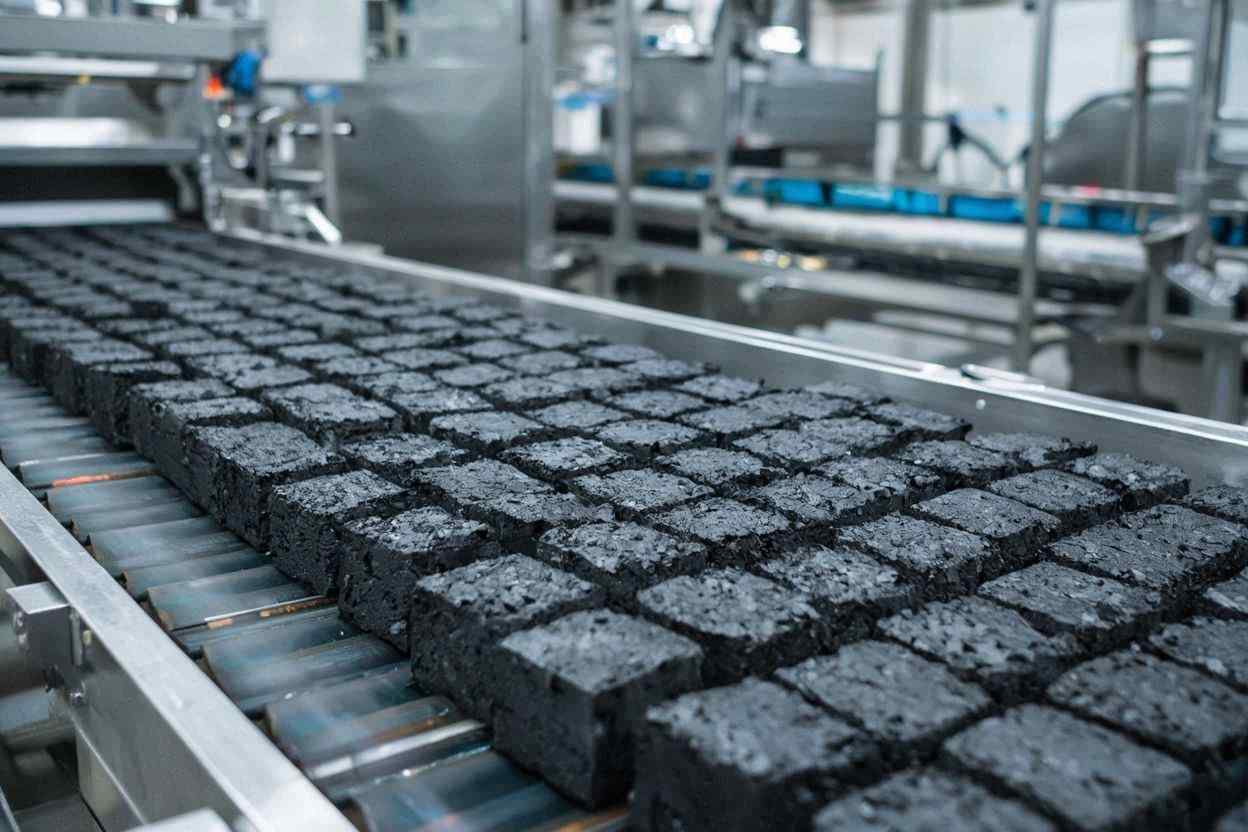
Coconut charcoal briquette manufacturer and supplier supports global demand by delivering high-quality charcoal products with consistent standards. Manufacturers process coconut shells into dense briquettes, while suppliers manage distribution to international markets. For a detailed supplier reference, you can visit coconut charcoal briquette supplier. You can also explore more information at jacoid.com.
Businesses rely on experienced manufacturers and suppliers to maintain stable supply chains. As a result, they avoid delays, control inventory, and meet customer demand efficiently.
In addition, strong coordination between production and logistics ensures that shipments move without disruption. This allows businesses to maintain consistent delivery schedules and improve operational performance.
Role of Coconut Charcoal Briquette Manufacturer and Supplier
Manufacturers handle production by selecting high-quality coconut shells and applying controlled processing methods. They produce briquettes with uniform shape, density, and performance.
Suppliers distribute these products to global buyers and coordinate logistics operations. Therefore, businesses receive products on time without handling complex export procedures.
This combination ensures efficient supply flow from production to final delivery.
Production Standards and Material Selection
Manufacturers select coconut shells as the main raw material due to their durability and clean burning characteristics. They process the shells through carbonization and compression stages.
They monitor production closely to maintain low moisture levels and consistent density. Because of this, briquettes burn longer and produce stable heat output.
Quality control at each stage ensures products meet international requirements.
Global Distribution and Export Management
Suppliers manage export operations including packaging, documentation, and shipment scheduling. They coordinate with logistics partners to ensure efficient delivery.
They also handle customs requirements and provide accurate documentation for international trade. This simplifies the import process for buyers.
As a result, businesses maintain smooth operations across different markets.
1. Large Scale Production Capacity
Manufacturers produce charcoal briquettes in bulk to meet global demand. They maintain stable output and adjust production based on order volume.
This allows suppliers to fulfill large shipments without delays.
2. Flexible Packaging Solutions
Suppliers offer various packaging options, including bulk and retail packaging. Businesses can customize packaging based on market needs.
This flexibility helps improve branding and product presentation.
Advantages of Coconut Charcoal Briquettes
Coconut charcoal briquettes provide strong and stable heat during use. They burn longer compared to standard charcoal and maintain consistent temperature.
They also produce minimal smoke and low ash residue, making them suitable for shisha and barbecue applications.
In addition, the use of renewable coconut shells supports environmentally friendly production.
How to Select the Right Supplier
Businesses choose suppliers based on quality, production capacity, and export experience. First, they evaluate product specifications and request samples.
Next, they review certifications and compliance with international standards. This ensures product reliability.
Clear communication and responsive support also help build long term partnerships.
Operational Efficiency in Global Supply
Manufacturers and suppliers improve efficiency by aligning production schedules with shipment timelines. This reduces idle time and ensures products remain ready for export.
They also use tracking systems to monitor shipments and update buyers about delivery progress. This improves transparency and coordination.
Efficient operations help businesses maintain stable supply and avoid unexpected delays.
Business Impact of Reliable Supply
Working with a coconut charcoal briquette manufacturer and supplier improves supply stability and reduces operational risks. Businesses maintain consistent inventory and avoid shortages. In addition, efficient logistics support allows faster delivery and better coordination with buyers.
