
Taman Sari Underground Mosque: Exploring Sumur Gumuling
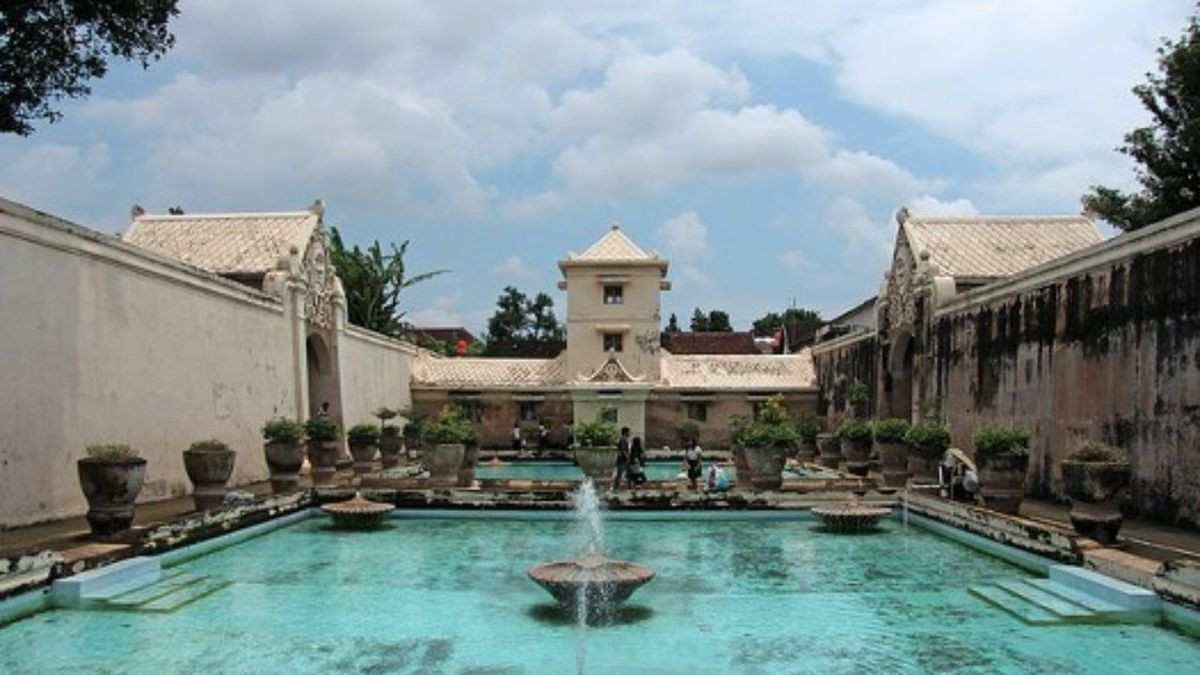
The Taman Sari underground mosque is one of the most distinctive historical structures within Yogyakarta’s former royal complex. Commonly associated with Sumur Gumuling, this unusual building combines underground architecture, circular spaces, stairways, and religious functions within the wider Taman Sari area.
Its unique design makes Sumur Gumuling an interesting destination for travelers who want to explore the architectural and cultural heritage of Yogyakarta beyond conventional palace attractions.
What Is the Taman Sari Underground Mosque?
Sumur Gumuling is a historic structure located within the Taman Sari complex.
The structure is partially enclosed by surrounding earth and walls. Its central area is connected to several passages and stairways, creating a unique spatial arrangement.
The design reflects the broader planning of Taman Sari, where buildings, underground passages, gardens, and water features were integrated into one royal environment.
Travelers who want to understand the wider history of the complex can explore this Taman Sari Water Castle complete guide before visiting.
Explore the Circular Architecture
One of the most recognizable characteristics of the Taman Sari underground mosque is its circular design.
Several stairways meet around the central area, creating a distinctive architectural composition. Visitors standing in the middle can observe the symmetry of the surrounding structure.
The arrangement also creates an interesting relationship between the various levels of the building. Stairs, corridors, and open spaces connect the structure while allowing movement between its sections.
This design makes Sumur Gumuling particularly attractive to travelers interested in historical architecture and photography.
A Place Connected to Royal Religious Life
Sumur Gumuling is traditionally understood as a place associated with religious activities within the former royal complex.
Its location inside Taman Sari meant that religious functions formed part of the wider environment used by the royal household.
The building’s design also reflects the importance of creating dedicated spaces within the complex for various activities. Taman Sari was not simply a recreational garden. It contained areas connected to royal life, religious practices, and other functions.
How It Connects to Taman Sari
The Taman Sari underground mosque should be viewed as one element of a much larger complex.
Taman Sari originally included bathing pools, gardens, artificial waterways, underground routes, and several important structures. Some areas were connected through passages, creating movement between various sections.
Sumur Gumuling’s underground position therefore fits into the wider architectural concept of Taman Sari.
Exploring the structure alongside other parts of the complex can help visitors understand how the various spaces were planned together.
Tips for Visiting Sumur Gumuling
Wear comfortable footwear because reaching the structure involves walking through various sections of Taman Sari.
The passages and stairways can become busy, especially during popular visiting periods. Take your time and follow any instructions from local site staff.
If you are planning a broader cultural trip around Yogyakarta and Central Java, Borobudur Tours can also be considered when arranging sightseeing activities.
Explore Taman Sari’s Unique Architecture
The Taman Sari underground mosque provides a fascinating glimpse into the architectural and cultural history of Yogyakarta. Through Sumur Gumuling, visitors can see how religious spaces, underground structures, and royal architecture were incorporated into the larger Taman Sari complex.
For travelers interested in history, architecture, and cultural heritage, exploring Sumur Gumuling can add a distinctive experience to a Yogyakarta itinerary.
